
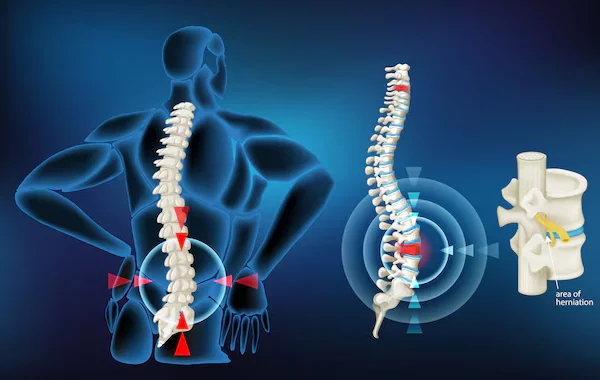
A slipped disc, also known as a herniated disc, is a common spine condition that can cause severe back pain, nerve compression, and difficulty in daily activities. With modern spine care and minimally invasive techniques, most patients can recover effectively without major surgery.
Dr. Sneha Sharma provides advanced and personalized care for spine conditions, offering one of the best slipped disc treatment in Gurugram through accurate diagnosis, non-surgical therapies, and minimally invasive procedures.
Slipped disc treatment focuses on relieving pressure from the affected spinal nerve and reducing inflammation in the spine. When a spinal disc moves out of its normal position or ruptures, it can compress nearby nerves, causing back pain, leg pain, numbness, or weakness.
Treatment may include medications, physiotherapy, lifestyle modifications, spinal injections, or surgery depending on the severity of the condition.
A slipped disc can occur due to several reasons, including:
Age-related wear and tear of spinal discs
Sudden injury or trauma to the spine
Poor posture and prolonged sitting
Heavy lifting with improper technique
Weak core muscles
Obesity or sedentary lifestyle
Degenerative spine conditions
Early evaluation by Dr. Sneha Sharma helps prevent worsening of symptoms and reduces the risk of nerve damage.
To determine the most suitable treatment, the following steps are usually performed:
Detailed spine and neurological examination
Evaluation of pain pattern and nerve involvement
Imaging tests such as MRI or CT scan
Assessment of spinal stability and disc damage
Personalized treatment planning
This comprehensive evaluation helps in choosing the most effective treatment approach.
Dr. Sneha Sharma provides advanced slipped disc treatment options such as:
1. Non-Surgical Treatment
Pain relief medications
Anti-inflammatory therapy
Physiotherapy and spine strengthening exercises
Posture correction programs
Lifestyle modification guidance
2. Advanced Pain Management
Epidural steroid injections
Nerve root block injections
3. Minimally Invasive Spine Surgery
If symptoms persist or nerve compression becomes severe, minimally invasive procedures may be recommended. These procedures involve small incisions, faster recovery, and minimal tissue damage.
4. Rehabilitation Program
A structured rehabilitation plan is provided to restore spinal strength and prevent recurrence.
1. When should I consult a doctor for a slipped disc?
If you experience persistent back pain, leg pain, numbness, or weakness that does not improve within a few days, it is important to consult a spine specialist for proper evaluation and treatment.
2. Can a slipped disc heal without surgery?
Yes, many patients recover with non-surgical treatments such as physiotherapy, medications, and lifestyle changes under the guidance of Dr. Sneha Sharma.
3. Is slipped disc treatment painful?
Most treatments are designed to reduce pain. Minimally invasive procedures are safe and help patients recover quickly with minimal discomfort.
4. How long does recovery take?
Recovery depends on the severity of the condition. Mild cases may improve within a few weeks, while more complex cases may take a few months with rehabilitation.
5. Can slipped disc occur again?
Yes, it can recur if proper precautions are not taken. Maintaining good posture, regular exercise, and spine care significantly reduces the risk.


.png)
Comments
Be the first to review