
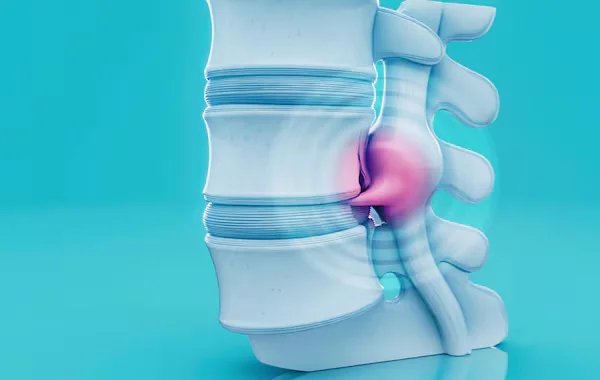
Spinal stenosis is a condition in which the spaces within the spine become narrow, putting pressure on the spinal cord and nerves. This can lead to pain, numbness, weakness, and difficulty walking or standing for long periods. Early diagnosis and proper treatment can significantly improve quality of life and prevent complications.
Dr. Sneha Sharma specializes in diagnosing and managing complex spine conditions and provides advanced care for patients seeking the best spinal stenosis treatment in Gurugram through modern techniques and personalized treatment plans.
Spinal stenosis treatment focuses on relieving pressure on the spinal cord or nerves caused by narrowing of the spinal canal. The treatment approach depends on the severity of symptoms and the level of nerve compression.
It may include medications, physiotherapy, lifestyle modifications, pain management procedures, or minimally invasive spine surgery.
Spinal stenosis commonly develops due to age-related changes in the spine. Some common causes include:
Degenerative changes in spinal discs
Thickening of spinal ligaments
Bone spurs in the spine
Herniated or slipped discs
Arthritis of the spine
Previous spine injuries or trauma
Congenital narrow spinal canal
These conditions can gradually compress nerves and lead to symptoms such as pain, tingling, or weakness.
Accurate diagnosis is essential to determine the severity of spinal stenosis and plan treatment. The evaluation usually includes:
Detailed medical history and symptom evaluation
Physical and neurological examination
Assessment of walking ability and nerve function
MRI or CT scan to evaluate spinal canal narrowing
Development of a personalized treatment strategy
This comprehensive approach helps Dr. Sneha Sharma recommend the most effective treatment.
Treatment Options
Dr. Sneha Sharma provides advanced spinal stenosis treatment options including:
Many patients improve with conservative treatment methods such as:
Pain relief medications
Anti-inflammatory therapy
Physiotherapy and strengthening exercises
Posture and mobility training
Lifestyle and activity modifications
If symptoms persist, targeted pain relief procedures may be recommended:
Epidural steroid injections
Nerve block procedures
Image-guided spine injections
In cases where nerve compression is severe or symptoms significantly affect mobility, minimally invasive surgical procedures may be performed to create more space in the spinal canal and relieve nerve pressure.
Post-treatment rehabilitation focuses on improving spinal flexibility, strengthening muscles, and helping patients return to daily activities safely.
1. What are the symptoms of spinal stenosis?
Common symptoms include back pain, leg pain, numbness, tingling, muscle weakness, and difficulty walking or standing for long periods.
2. Is spinal stenosis a serious condition?
If left untreated, it can worsen over time and affect mobility. Early diagnosis and treatment help manage symptoms effectively.
3. Can spinal stenosis be treated without surgery?
Yes, many patients benefit from physiotherapy, medications, and pain management therapies before surgery is considered.
4. How long does recovery take after treatment?
Recovery depends on the severity of the condition and the type of treatment used. Many patients notice improvement within a few weeks of starting treatment.
5. When is surgery recommended for spinal stenosis?
Surgery is recommended when severe nerve compression causes persistent pain, weakness, or walking difficulties that do not improve with non-surgical treatments.


.png)
Comments
Be the first to review