
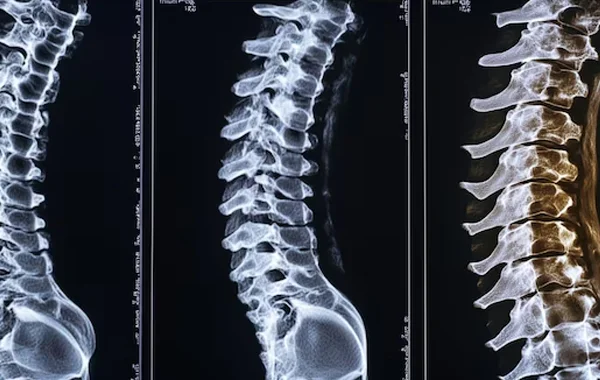
Degenerative spine disorders are conditions that develop due to gradual wear and tear of the spinal structures over time. These disorders can affect the spinal discs, joints, and ligaments, leading to chronic pain, stiffness, and reduced mobility.
With early diagnosis and proper management, symptoms can be controlled effectively. Dr. Sneha Sharma offers advanced and comprehensive care for patients looking for the best degenerative spine disorder treatment in Gurugram, focusing on long-term spine health and functional recovery.
Degenerative spine disorder treatment focuses on managing age-related changes in the spine that lead to pain and nerve compression. These conditions include degenerative disc disease, spinal arthritis, and cervical or lumbar degeneration.
Treatment aims to relieve pain, improve mobility, strengthen the spine, and prevent further deterioration.
Degenerative spine disorders usually develop gradually due to several factors such as:
Natural aging process of spinal discs
Loss of disc hydration and flexibility
Long-term poor posture
Repetitive stress on the spine
Sedentary lifestyle
Previous spine injuries
Obesity and lack of exercise
These factors can lead to disc degeneration, joint inflammation, and nerve compression over time.
Diagnosis involves a detailed evaluation of the spine and symptoms:
Detailed consultation and medical history review
Physical examination of spine movement and posture
Neurological examination for nerve involvement
Imaging tests such as MRI, CT scan, or X-ray
Development of a personalized treatment plan
This process helps identify the exact degenerative changes affecting the spine.
Dr. Sneha Sharma provides comprehensive treatment for degenerative spine disorders including:
Most patients benefit from non-surgical treatment such as:
Pain management medications
Physiotherapy and spinal strengthening exercises
Posture correction therapy
Lifestyle modification and ergonomic advice
When pain persists, advanced treatments may be recommended:
Spine injections
Nerve pain management therapies
Targeted rehabilitation programs
If conservative treatment does not provide relief, minimally invasive surgical options may be used to relieve nerve compression and stabilize the spine.
Patients receive guidance on maintaining spinal health, including exercise programs, weight management, and preventive care.
1. What are the symptoms of degenerative spine disorders?
Symptoms may include chronic back or neck pain, stiffness, reduced flexibility, numbness, and nerve-related pain.
2. Are degenerative spine disorders common with age?
Yes, these conditions are common as people age because spinal discs gradually lose strength and flexibility.
3. Can exercise help in degenerative spine conditions?
Yes, guided exercises and physiotherapy help strengthen the spine and reduce symptoms significantly.
4. Is surgery always required for degenerative spine disorders?
No, most patients improve with non-surgical treatments. Surgery is considered only when symptoms are severe or persistent.
5. How can I prevent spine degeneration from worsening?
Maintaining good posture, staying physically active, strengthening core muscles, and regular medical check-ups can help slow down degeneration.


.png)
Comments
Be the first to review