
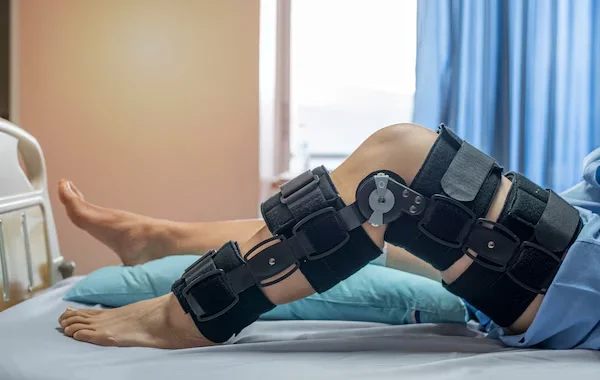
Orthopaedic trauma refers to injuries involving bones, joints, ligaments, muscles, and the spine that occur due to accidents, falls, sports injuries, or sudden impact. These injuries require timely diagnosis and expert management to restore mobility and prevent long-term complications.
Dr. Sneha Sharma provides advanced orthopaedic trauma care using modern treatment methods and evidence-based protocols. Patients seeking the best orthopaedic trauma treatment in Gurugram can benefit from comprehensive evaluation, accurate diagnosis, and personalized recovery plans.
Orthopaedic trauma treatment focuses on managing injuries to the musculoskeletal system caused by sudden trauma. This includes fractures, dislocations, ligament injuries, and complex trauma affecting the spine or joints.
The goal of treatment is to stabilize the injured area, relieve pain, restore normal alignment of bones, and help patients regain function through proper healing and rehabilitation.
Orthopaedic trauma injuries can occur due to several reasons, including:
Road traffic accidents
Falls from height or slips
Sports-related injuries
Workplace accidents
Direct impact injuries
High-intensity physical activities
Osteoporosis-related fractures in older adults
Prompt evaluation by Dr. Sneha Sharma helps in early treatment and reduces the risk of complications.
Diagnosis of orthopaedic trauma involves a detailed and systematic evaluation:
Immediate injury assessment and stabilization
Detailed medical history and physical examination
Imaging tests such as X-ray, CT scan, or MRI
Assessment of bone alignment and joint stability
Evaluation of soft tissue and nerve involvement
Development of a personalized treatment plan
This approach helps determine the most effective treatment strategy.
Dr. Sneha Sharma offers comprehensive orthopaedic trauma treatment including:
For minor or stable injuries:
Immobilization using braces or casts
Pain management medications
Rest and activity modification
Physiotherapy for recovery
In cases of more complex injuries:
Closed reduction techniques to align bones
Image-guided treatment methods
Specialized trauma management
Severe fractures or unstable injuries may require surgery to:
Stabilize broken bones
Restore proper alignment
Repair damaged tissues
Support faster healing
After treatment, patients undergo a structured rehabilitation program focused on strengthening muscles, restoring movement, and preventing future injuries.
1. What is considered an orthopaedic trauma injury?
Orthopaedic trauma includes fractures, dislocations, ligament tears, and injuries affecting bones or joints caused by accidents or sudden impact.
2. When should I seek medical help after an injury?
If you experience severe pain, swelling, deformity, or difficulty moving the affected area, you should consult an orthopaedic specialist immediately.
3. Can fractures heal without surgery?
Yes, many fractures heal with proper immobilization and rehabilitation, depending on the severity and type of fracture.
4. How long does recovery take after trauma treatment?
Recovery time varies depending on the injury but typically ranges from a few weeks to several months.
5. Is physiotherapy necessary after trauma treatment?
Yes, physiotherapy helps restore strength, flexibility, and mobility after injury.


.png)
Comments
Be the first to review