
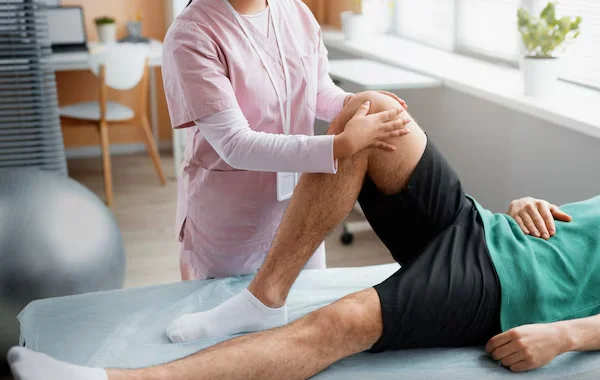
Recovering from an injury or trauma is an important phase in restoring mobility, strength, and overall quality of life. After fractures, spine injuries, or orthopaedic trauma, proper rehabilitation plays a crucial role in helping patients regain normal function and prevent long-term complications. A structured recovery plan ensures that the healing process is safe and effective.
Dr. Sneha Sharma provides comprehensive rehabilitation programs designed to support patients through every stage of recovery. Patients looking for the best post-trauma rehabilitation & recovery in Gurugram can benefit from personalized treatment plans focused on long-term healing and functional improvement.
Post-trauma rehabilitation is a medical and therapeutic process that helps patients recover after injuries such as fractures, spine injuries, joint trauma, or surgery. The goal is to restore strength, improve mobility, reduce pain, and help patients safely return to daily activities.
Rehabilitation programs may include physiotherapy, guided exercises, pain management, and functional training depending on the severity of the injury.
After an injury or trauma, the body requires time and structured support to heal properly. Rehabilitation is important because:
Muscles may become weak after immobilization
Joints can become stiff after injury or surgery
Pain and inflammation may limit movement
Nerve or spine injuries may affect mobility
Improper healing can lead to long-term complications
Lack of rehabilitation may delay recovery
Early and guided rehabilitation under Dr. Sneha Sharma helps patients regain strength and prevents future problems.
Post-trauma rehabilitation typically follows a step-by-step recovery plan:
Detailed evaluation of the injury and recovery stage
Assessment of mobility, strength, and pain levels
Development of a customized rehabilitation plan
Gradual introduction of physiotherapy exercises
Monitoring progress and adjusting treatment
Functional training to restore daily activities
This structured approach ensures safe and effective recovery.
Dr. Sneha Sharma provides comprehensive post-trauma rehabilitation programs that include:
Medication to control pain and inflammation
Therapies to reduce swelling and discomfort
Guided recovery techniques
Muscle strengthening exercises
Joint mobility improvement
Balance and coordination training
Gradual movement restoration
Walking and posture correction training
Activity-specific rehabilitation
Support for returning to work or daily tasks
Patients receive guidance on:
Lifestyle modification
Preventive exercises
Spine and joint protection
Injury prevention strategies
These programs help ensure complete and safe recovery after trauma.
1. How soon should rehabilitation start after trauma or surgery?
Rehabilitation usually begins as soon as the doctor considers it safe, often within a few days to weeks after injury or surgery, depending on the condition.
2. How long does post-trauma recovery take?
Recovery time varies based on the severity of the injury, but most patients require several weeks to a few months of rehabilitation.
3. Is physiotherapy necessary after fractures or spine injuries?
Yes, physiotherapy is essential to restore strength, flexibility, and mobility after trauma and helps prevent long-term stiffness or weakness.
4. Can rehabilitation reduce long-term complications?
Yes, proper rehabilitation helps improve healing, restore function, and significantly reduces the risk of chronic pain or movement problems.
5. What happens if rehabilitation is delayed or skipped?
Without proper rehabilitation, patients may experience reduced mobility, muscle weakness, stiffness, and slower recovery.


.png)
Comments
Be the first to review